

In the ever-evolving landscape of software development, the quest for innovation often leads companies to contemplate custom solutions tailored to their unique needs. However, when it comes to User Experience (UX) design, the allure of bespoke interfaces must be weighed against the practical benefits of leveraging existing software component libraries and patterns, such as Bootstrap. While the temptation to create custom UX design systems may be strong, the prudent choice for most companies lies in adopting established frameworks. This essay explores the rationale behind this assertion and elucidates the advantages of standardized UX design.
First and foremost, the adoption of existing software component libraries offers companies a shortcut to efficiency and reliability. Frameworks like Bootstrap have undergone rigorous testing and refinement by a vast community of developers, ensuring their stability and compatibility across different platforms and devices. By embracing these standardized components, companies can bypass the arduous process of building, testing, and maintaining custom UI elements, thereby accelerating the development cycle and reducing time-to-market.
Moreover, standardized UX design patterns promote consistency and familiarity, both crucial elements in fostering positive user experiences. When users encounter familiar interface elements and interaction patterns across different applications and websites, they can navigate intuitively, minimizing cognitive load and enhancing usability. By adhering to established conventions, companies can capitalize on users’ existing mental models, fostering a sense of comfort and trust that translates into higher engagement and satisfaction levels.
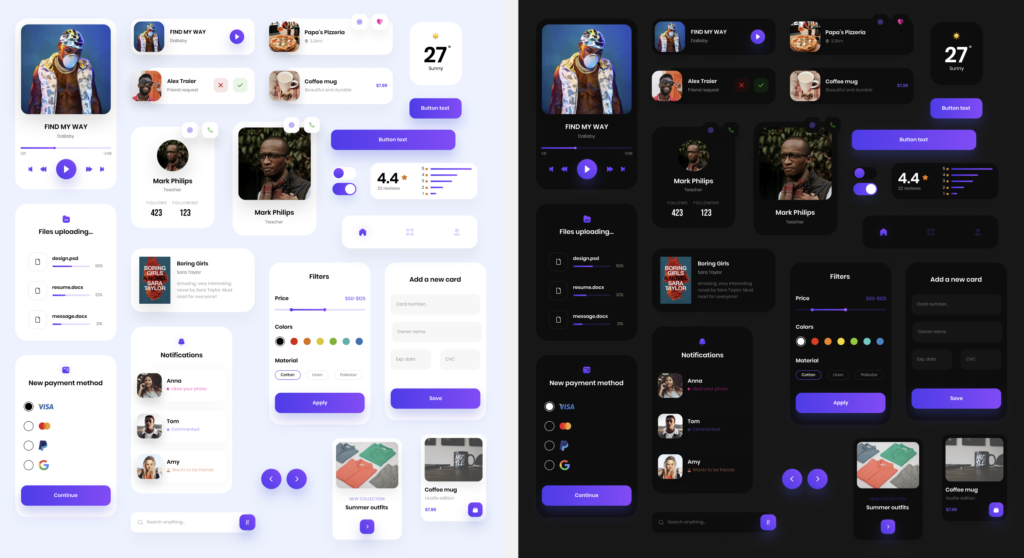
Furthermore, the use of software component libraries facilitates scalability and future-proofing. As companies expand their digital footprint or adapt to changing technological landscapes, the flexibility afforded by standardized components becomes invaluable. With frameworks like Bootstrap, updates and enhancements are seamlessly integrated, ensuring compatibility with emerging technologies and evolving design trends. Conversely, custom UX design systems may suffer from scalability challenges, requiring significant resources to adapt to changing requirements or incorporate new features.
Cost-effectiveness is another compelling argument in favor of leveraging existing software component libraries. Building a custom UX design system entails substantial upfront investment in terms of time, resources, and expertise. In contrast, the adoption of standardized frameworks represents a more cost-effective approach, leveraging the collective knowledge and contributions of the open-source community. Additionally, the abundance of documentation, tutorials, and support resources associated with popular libraries like Bootstrap lowers the learning curve for developers, reducing training costs and accelerating onboarding processes.
Moreover, the use of established software component libraries aligns with principles of accessibility and inclusivity. Frameworks like Bootstrap prioritize responsive design and adherence to web standards, ensuring that interfaces are accessible to users with diverse needs and devices. By leveraging these inclusive design practices, companies can reach broader audiences and demonstrate their commitment to creating accessible digital experiences for all users.
In conclusion, while the allure of custom UX design systems may be tempting, the pragmatic choice for most companies lies in embracing existing software component libraries and patterns such as Bootstrap. By doing so, companies can reap the benefits of efficiency, reliability, consistency, scalability, cost-effectiveness, and accessibility, ultimately enhancing the overall user experience and driving business success. In a rapidly evolving digital landscape, the path to innovation often begins with standing on the shoulders of giants, leveraging the collective wisdom and contributions of the broader developer community.


