

In the ever-evolving realm of user experience (UX) design, the minimalist approach once reigned supreme, championed for its simplicity, clarity, and emphasis on essential elements. However, as technology advances and user expectations shift, the once hailed minimalist UX design has gradually become outdated. This essay delves into the reasons behind the obsolescence of minimalist UX design, exploring the need for a more dynamic and personalized approach in today’s digital landscape.
The Rise and Reign of Minimalism
Minimalism in UX design emerged as a response to cluttered interfaces and overwhelming user experiences. Its core principles centered around decluttering interfaces, eliminating unnecessary elements, and prioritizing content and functionality. This approach gained popularity in the early 21st century, especially with the rise of mobile devices where screen real estate was limited, making concise design crucial for usability.
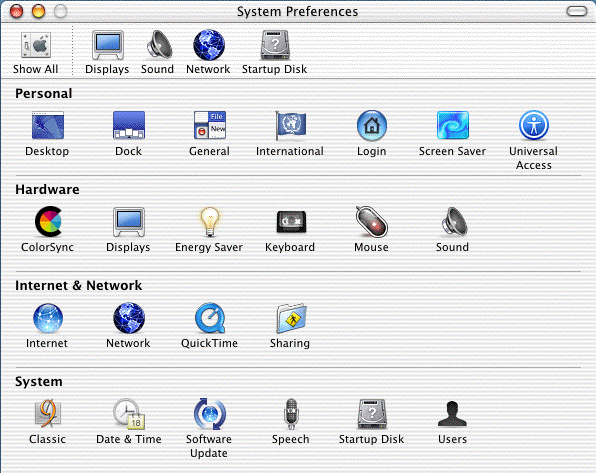
Simplicity was the hallmark of minimalist UX design. Clean lines, ample white space, and limited color palettes became synonymous with modernity and sophistication. Companies like Apple, with its sleek and intuitive interfaces, epitomized the minimalist ethos and set a standard for UX design across industries.
The Downsides of Minimalism

While minimalist UX design initially offered a breath of fresh air, its limitations soon became apparent in a rapidly evolving digital landscape. One of its primary drawbacks was its one-size-fits-all approach. Minimalism favored uniformity over customization, often neglecting the diverse needs and preferences of users.
Minimal = Lazy (Mostly)
Moreover, the relentless pursuit of simplicity sometimes led to oversimplification. Important features were stripped down to their bare essentials, sacrificing depth and functionality for the sake of minimalism. This trade-off resulted in shallow user experiences that failed to engage and delight users.
Furthermore, the minimalist aesthetic became ubiquitous, leading to a sense of sameness across digital platforms. As a result, brands struggled to differentiate themselves and connect with users on a deeper level. In an era where user engagement and brand loyalty are paramount, the homogeneity bred by minimalist design became a hindrance rather than an asset.
The Shift Towards Dynamic and Personalized Design
In contrast to the static nature of minimalist design, today’s digital landscape demands dynamism and personalization. Users expect interfaces that adapt to their needs, anticipate their actions, and provide tailored experiences. This shift has propelled the evolution of UX design beyond minimalism towards a more holistic and user-centric approach.
Dynamic design embraces fluidity and interactivity, allowing interfaces to respond and adapt to user input in real-time. Microinteractions, animations, and responsive layouts breathe life into digital experiences, creating a sense of immersion and engagement. By leveraging dynamic elements, designers can guide users through complex workflows, convey hierarchy, and communicate feedback more effectively.
Personalization lies at the heart of modern UX design, empowering users to customize their digital experiences according to their preferences and behaviors. From personalized recommendations to adaptive interfaces, customization enhances user satisfaction and fosters a deeper connection between users and products or services. Machine learning algorithms play a crucial role in enabling personalization, analyzing user data to deliver relevant and contextualized content.
The Role of Emotion and Storytelling
While minimalist design often prioritized functionality over emotion, today’s UX designers recognize the importance of evoking emotional responses and weaving narratives into digital experiences. Emotionally resonant design fosters empathy, builds trust, and cultivates lasting connections with users.
Storytelling has emerged as a powerful tool in UX design, enabling brands to convey their values, mission, and identity through immersive narratives. By crafting compelling stories, designers can engage users on a deeper level, eliciting emotions that drive meaningful interactions and foster brand loyalty.
The Integration of Accessibility and Inclusivity
In the pursuit of minimalist aesthetics, accessibility and inclusivity were sometimes overlooked, resulting in designs that excluded users with disabilities or diverse needs. However, as awareness around accessibility grows, designers are placing greater emphasis on creating inclusive experiences that cater to all users, regardless of their abilities or backgrounds.
Inclusive design considers a wide range of user needs, ensuring that interfaces are perceivable, operable, and understandable for everyone. From intuitive navigation structures to alternative input methods, inclusive design principles enhance usability and extend the reach of digital products and services to marginalized communities.
While minimalist UX design served its purpose in simplifying digital interfaces and streamlining user experiences, its rigid adherence to simplicity has rendered it outdated in today’s dynamic and personalized digital landscape. The evolution of UX design beyond minimalism represents a paradigm shift towards more dynamic, personalized, and emotionally resonant experiences that prioritize user engagement, inclusivity, and storytelling. By embracing these principles, designers can create digital experiences that not only meet the functional needs of users but also resonate with them on a deeper, more meaningful level.


